

1930
Safety instructions began to appear on board aircraft since the beginning of air transport. They were very primitive back then, inspired by naval repair. At that time, there was a fire extinguisher, a first aid kit, and a flare on board. Wearing a life jacket was a matter of course.
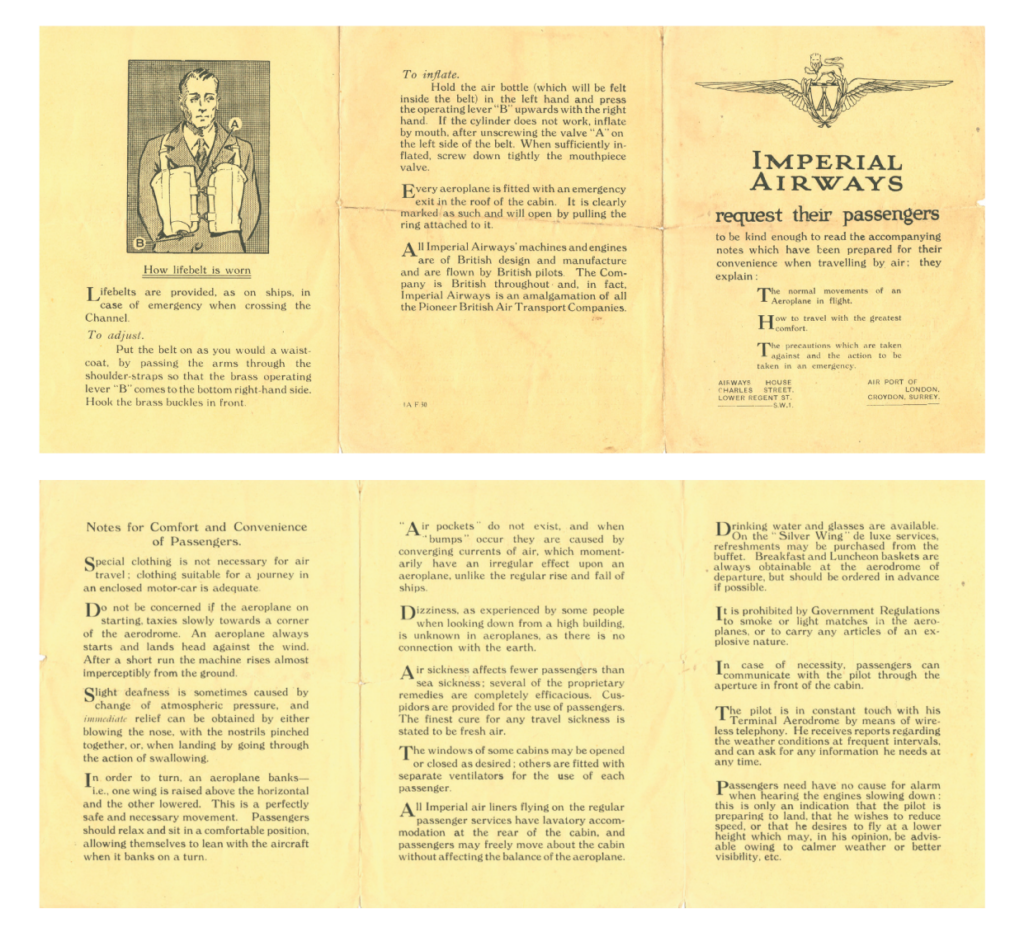
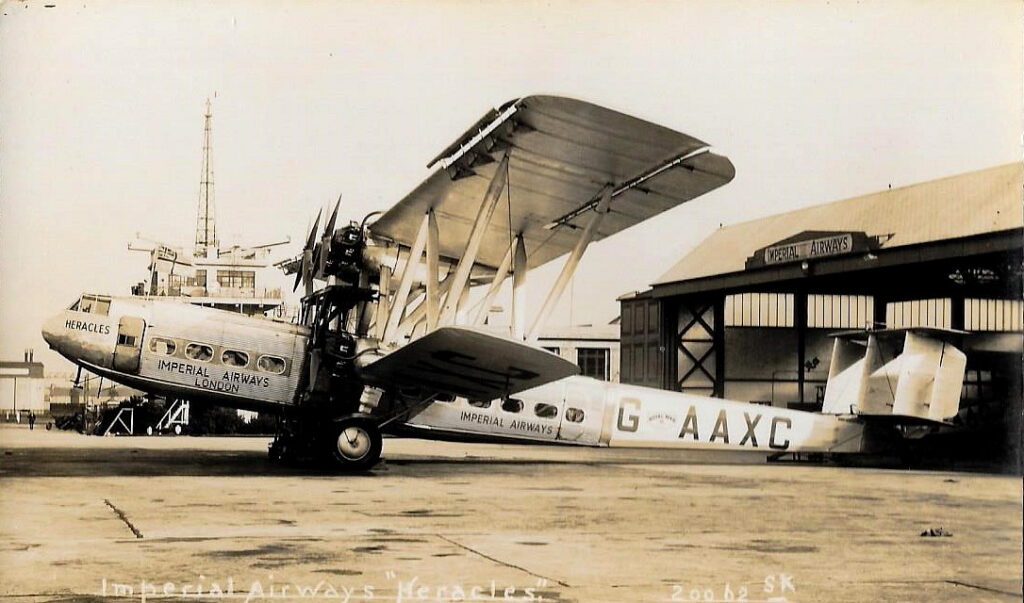
Imperial Airways can be ranked among the oldest carriers. This company evolved through BOAC to its present name, British Airways. These cards date back to 1930 and provided information on how to enjoy the flight and safety rules on board the plane. During this time, security cards also served as a means of communication due to the noisy engines. Written text was one of the few ways to convey information between the crew and passengers.
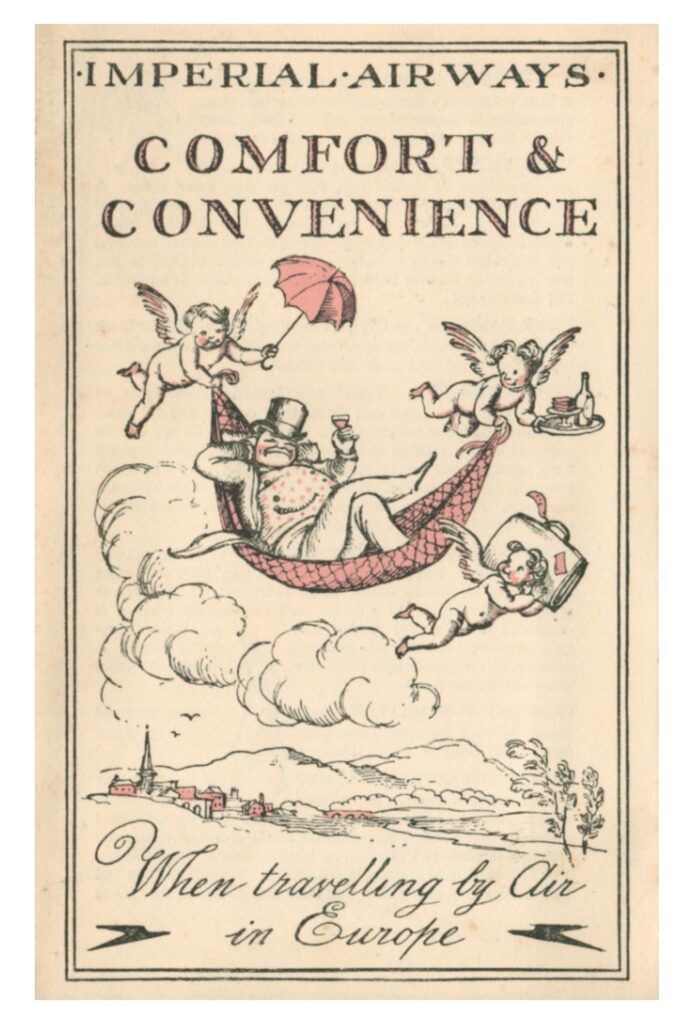
During this era, the emphasis was primarily on text. However, this began to change with the development of new technologies and trends.
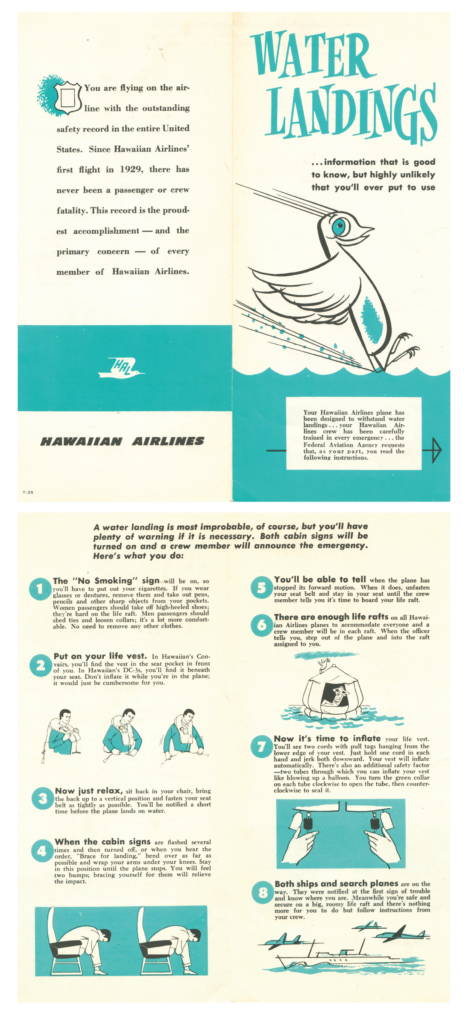
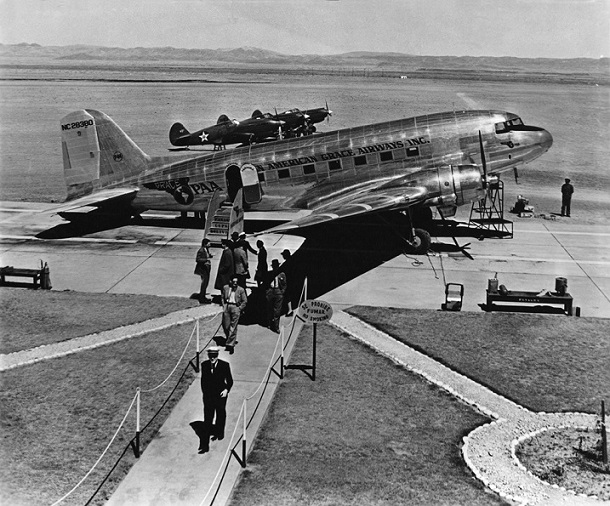
Shortly after the end of World War II, the USA became an aviation power. Safety instructions were necessary for aircraft like the DC-3. Illustrations started to replace text during this period.
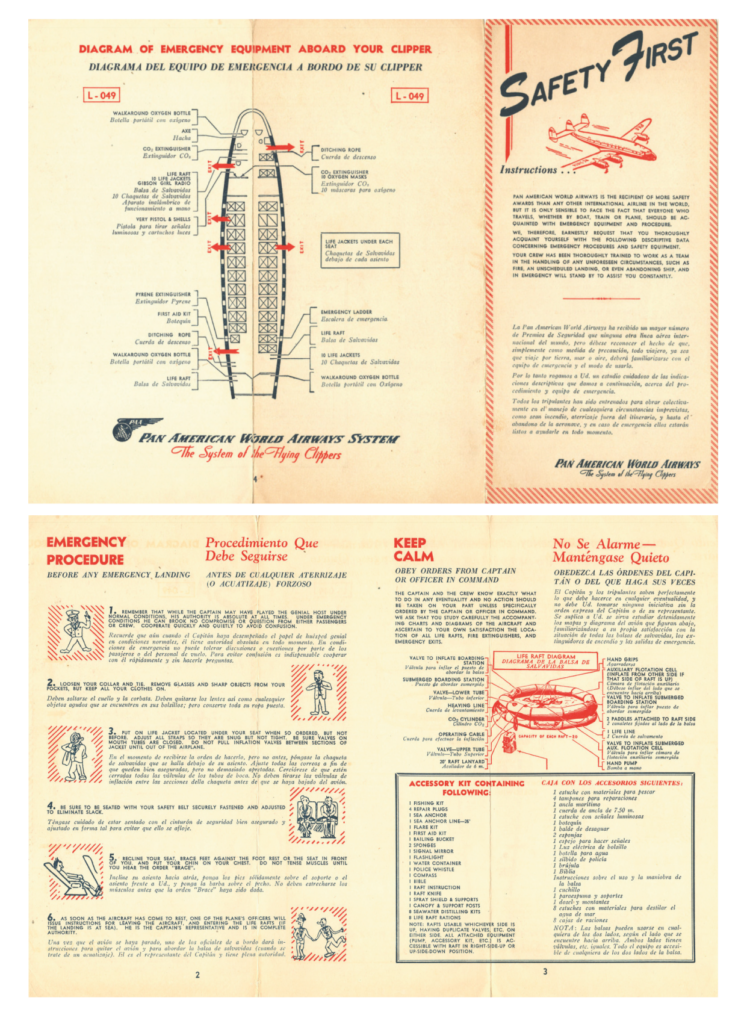
With years of aviation experience and the development of new rules, safety instructions began to resemble what we know today. However, some strange information, such as the inclusion of a Bible, appeared.
In the 1950s and 1960s, with advancements in technology, a significant change in thinking occurred. Pilots preferred emergency landings on solid ground rather than water. Passengers were familiarized with safety measures before their flights and began to rely more on themselves.
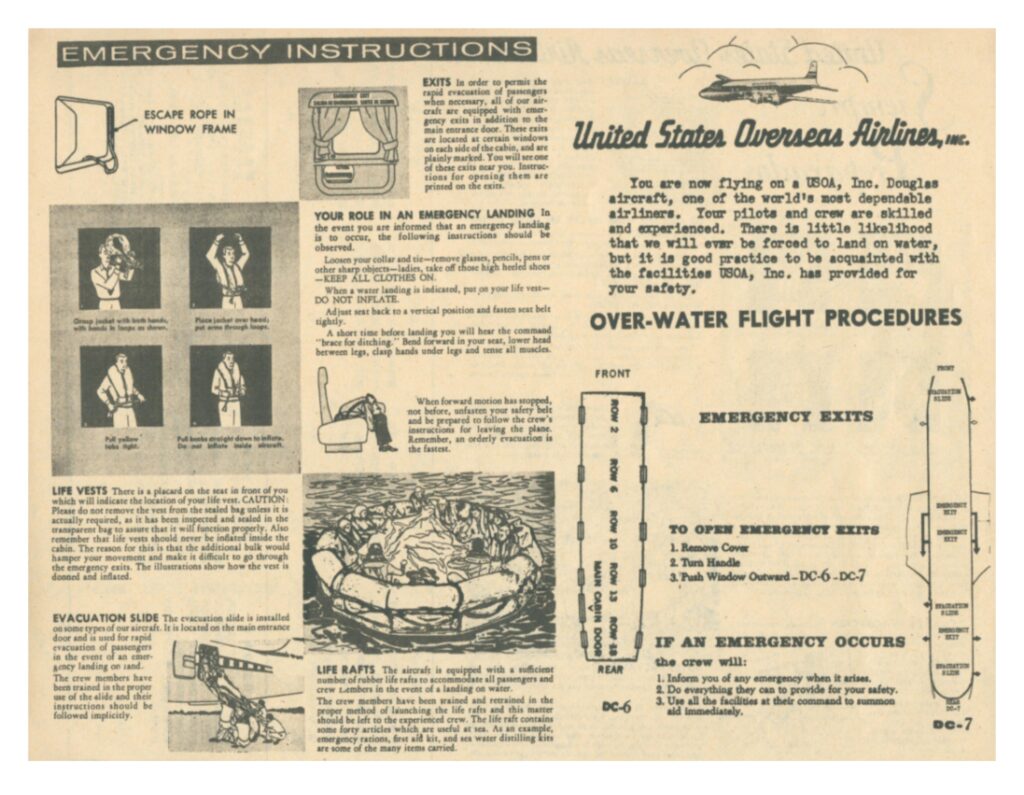
During this time, safety instructions were composed of 90% drawings or photos.
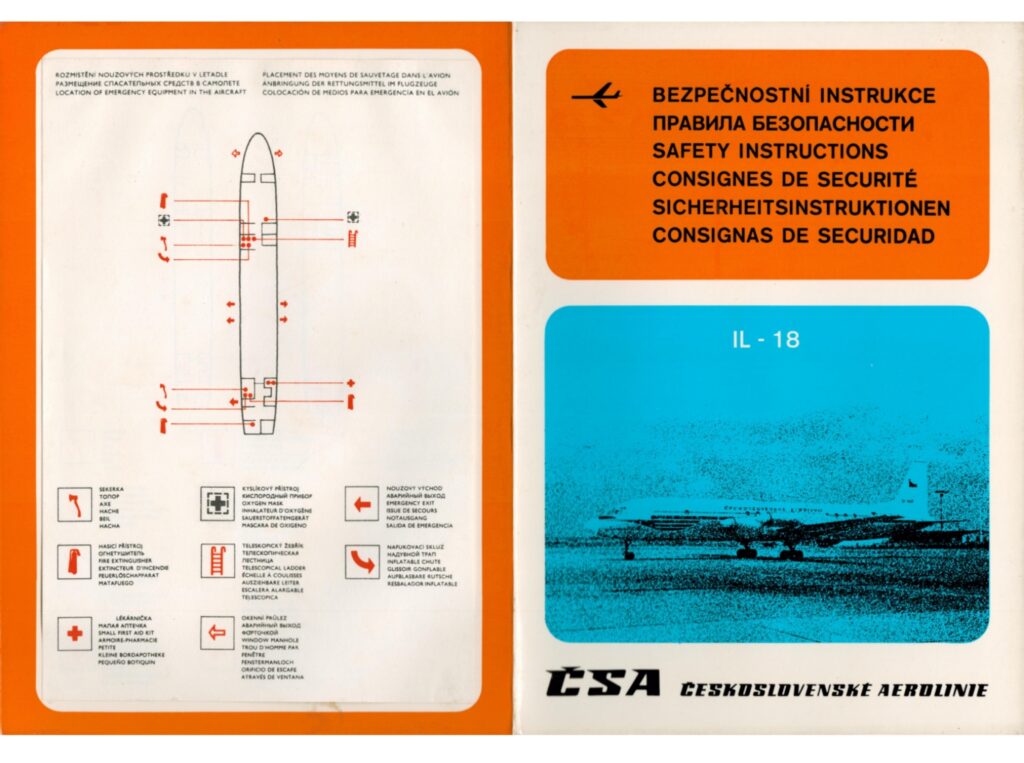
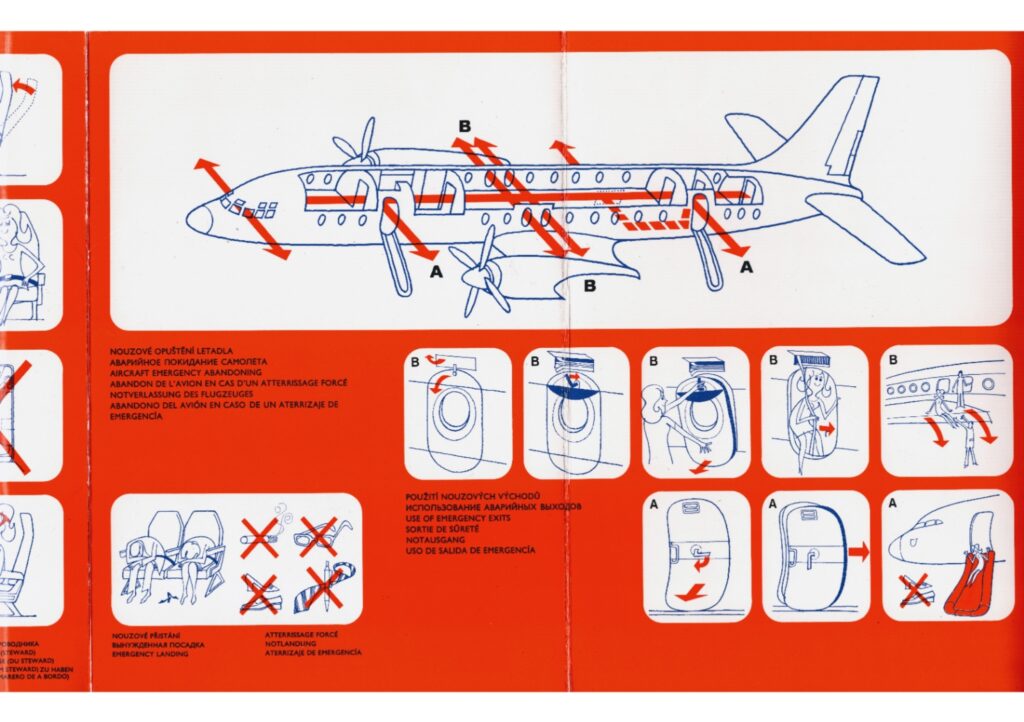
In March 1956, a revolutionary change took place in the USA. Safety instructions became mandatory from June 7, 1965. The FAA requirements at the time included points such as smoking regulations, seat belt usage, diagrams of emergency exits, and methods of opening emergency exits. This period also marked the trend of universal safety instructions.
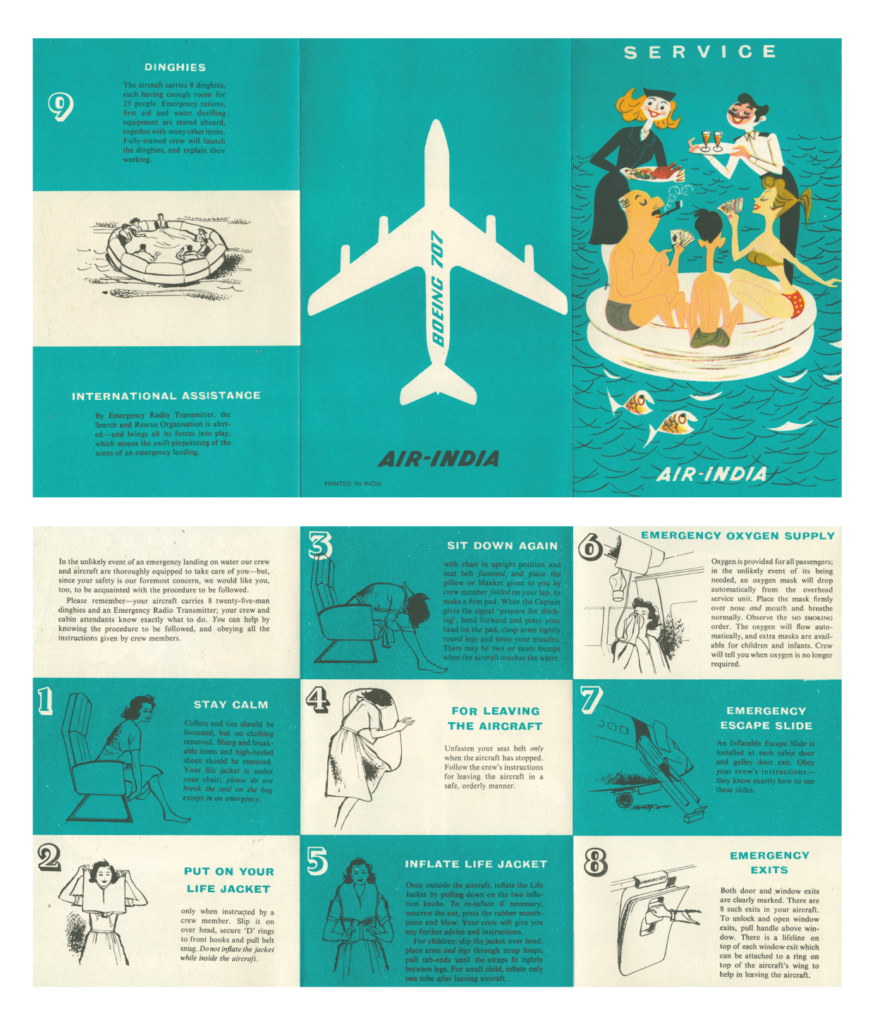
Ozark Air Lines introduced a novelty that did not violate the rules of the time. They used their OP-65 certified card for DC-3, Martin 404, and Fairchild F-27 aircraft.
1960
In 1967, the FAA approved the first amendment regarding safety instructions. Each passenger over the age of 12 received a specific type of aircraft’s safety instructions during boarding. This prohibited the use of universal safety instructions that had spread throughout the United States.
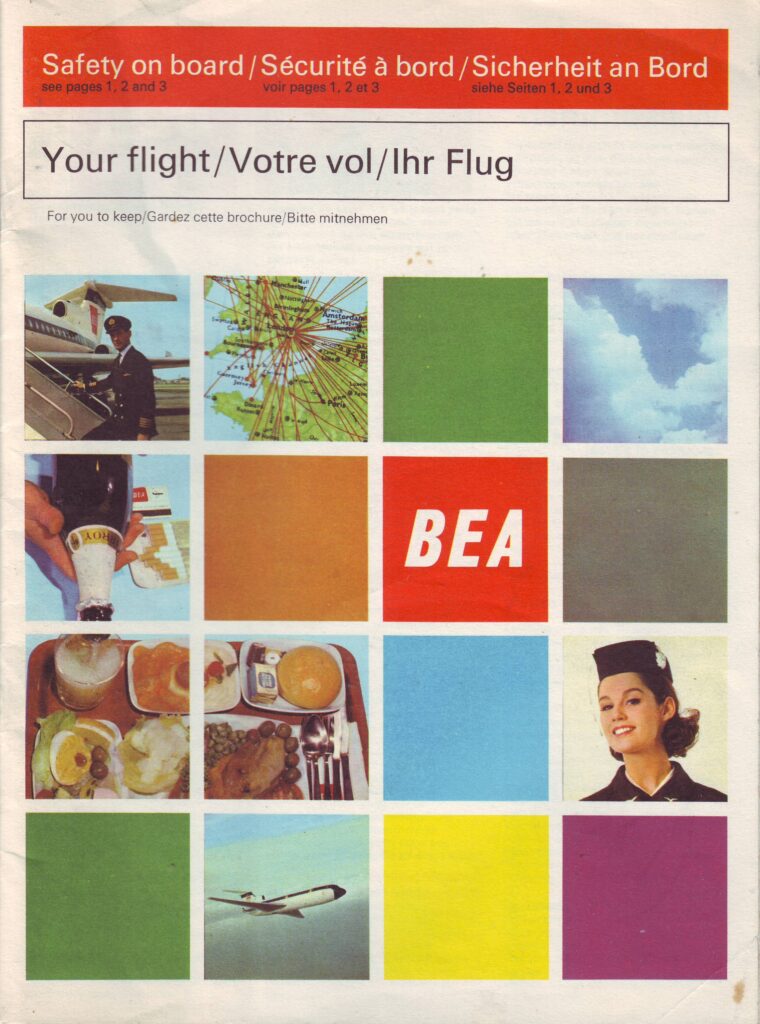
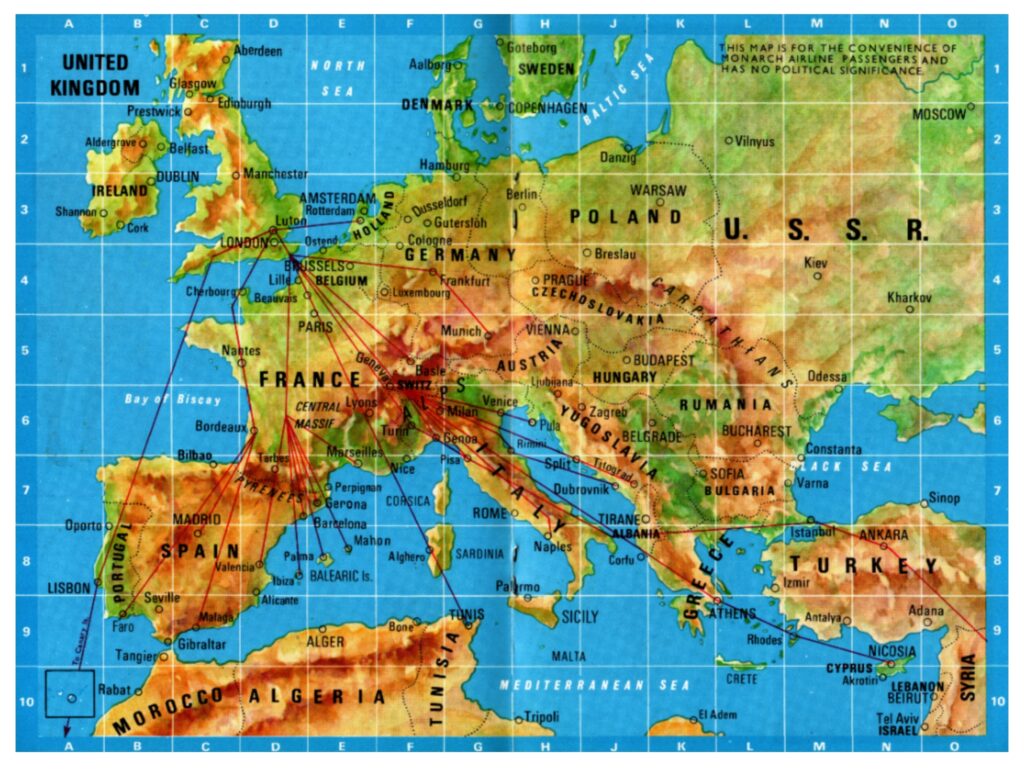
In Europe, the rules were not very uniform. Great Britain no longer had separate security cards, as instructions were included in on-board magazines. However, after a few years, they realized the importance of separate cards, and today it is common practice.
1970
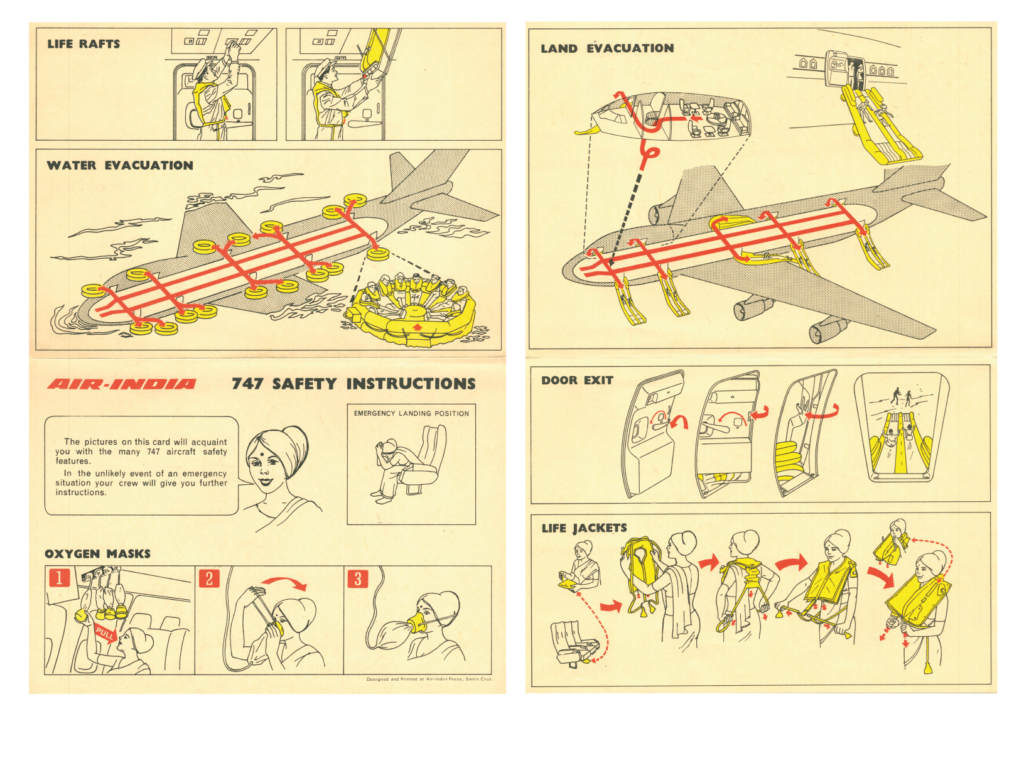
From 1970, safety instructions for the legendary Jumbo Jet were issued. During this time, the security cards were very similar to those used today. The lounges located on the upper floor of the 747 were also notable.
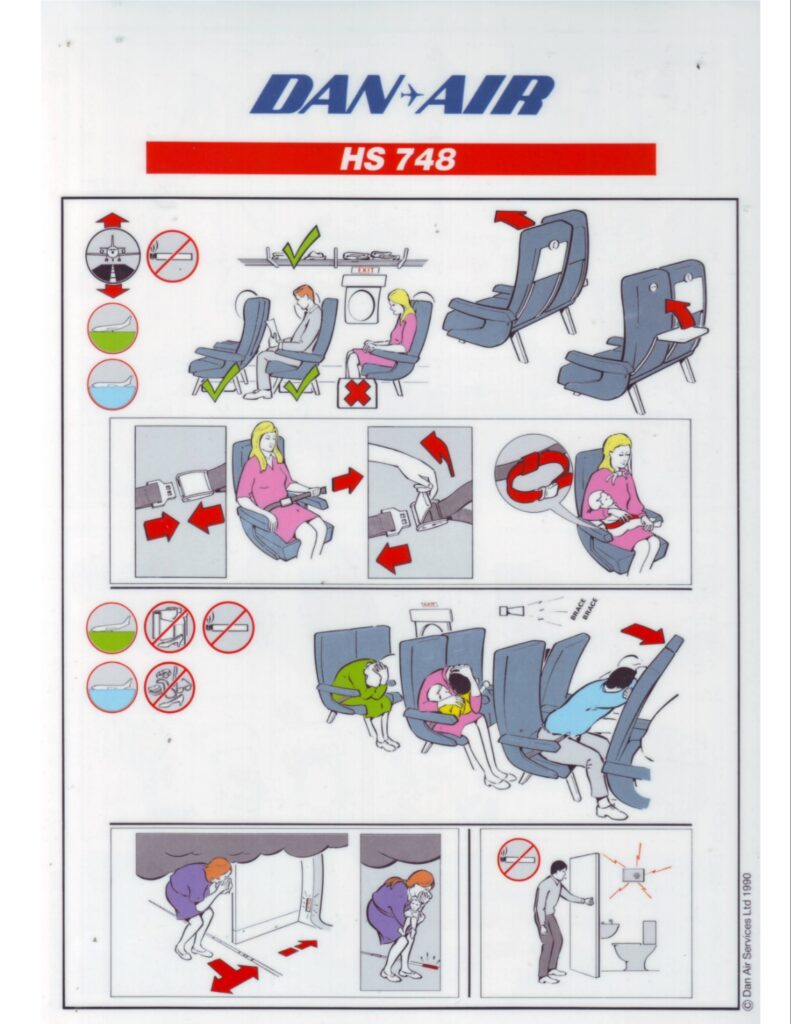
Today
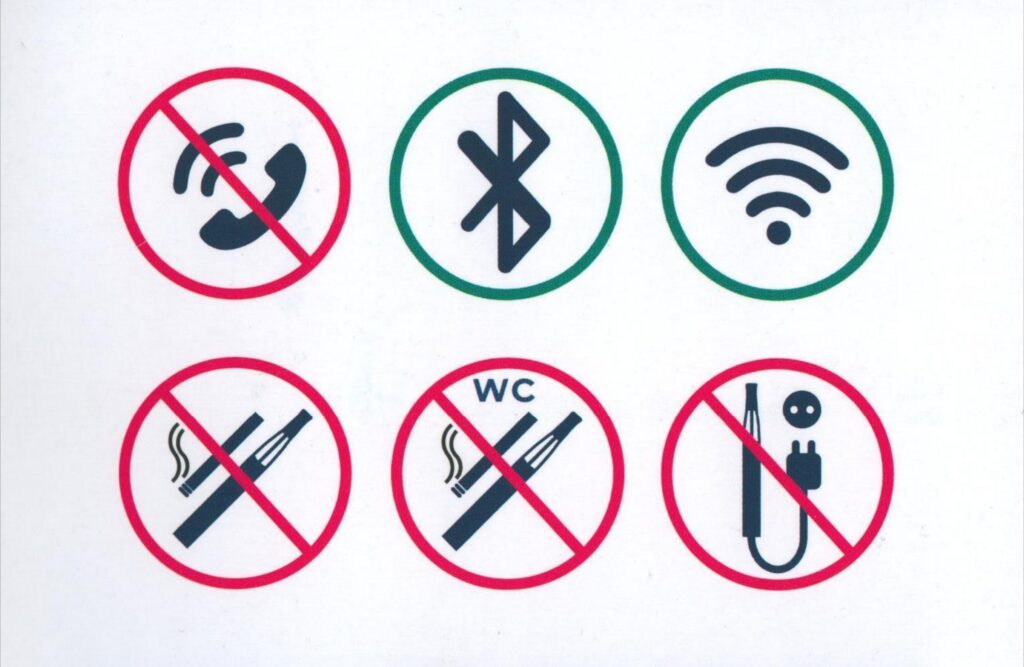
Today, safety instructions are a mandatory part of every commercial aircraft. Compared to their predecessors, the instructions now include guidelines for using mobile phones in flight mode. Additionally, a ban on electronic cigarettes has been introduced in recent years.
Collecting safety instructions has become a popular hobby among aviation enthusiasts, including myself. I am proud that we are preserving this wonderful heritage and ensuring the instructions’ immortality.
